A text can fail in three different places: on your phone, on the carrier’s side, or in the filtering that happens before it ever reaches you. Here is how to tell which one it is, and what is actually worth doing in each case.
Author
 Lara Nisson
Published on
12 November 2026
A landline runs over a physical wire, and it is one of four number types in the US. Here is how landline, mobile, VoIP and toll-free numbers differ, and what is happening to copper lines right now.
Author
Lara Nisson
Published on
09 November 2026
An area code is the first three digits of a US phone number. Here is what it tells you, why it may not match where you live, why codes run out, and whether you can pick your own.
Author
Lara Nisson
Published on
05 November 2026

Turn on the blocking your phone and carrier already include, learn why blocking numbers one by one fails, and find out what the Do Not Call Registry does and does not cover.
Author
Lara Nisson
Published on
02 November 2026
A toll-free number is paid for by the business receiving the call, not by you. Here is what the 800, 888, 877, 866, 855, 844 and 833 codes mean, how they are handed out, and what it means when one calls you.
Author
Lara Nisson
Published on
29 October 2026
A burner phone is a cheap prepaid handset meant to be used briefly and dropped. Here is how they work, what the law says in the US, and why they are not untraceable.
Author
Lara Nisson
Published on
28 October 2026
The real advantages and disadvantages of a VoIP number for personal use — how much internet it needs, where call quality breaks, and when a mobile line is still the better answer.
Author
Lara Nisson
Published on
27 October 2026
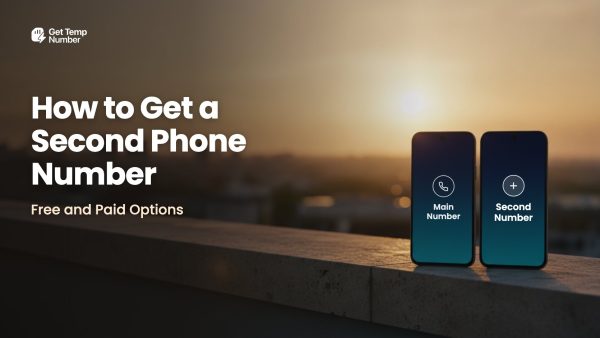
There are five ways to get a second phone number: a second SIM or eSIM, an extra carrier line, a free app, a burner app or an online number. Here’s what each costs and where it fails.
Author
Lara Nisson
Published on
07 August 2026
Until a few years ago, a foreign number was mainly associated with frequent travel abroad. Today, the situation has changed. People work with international clients and partners, use foreign platforms, launch projects in international markets, and want to stay connected no matter where they are.
Author
Lara Nisson
Published on
07 June 2026

